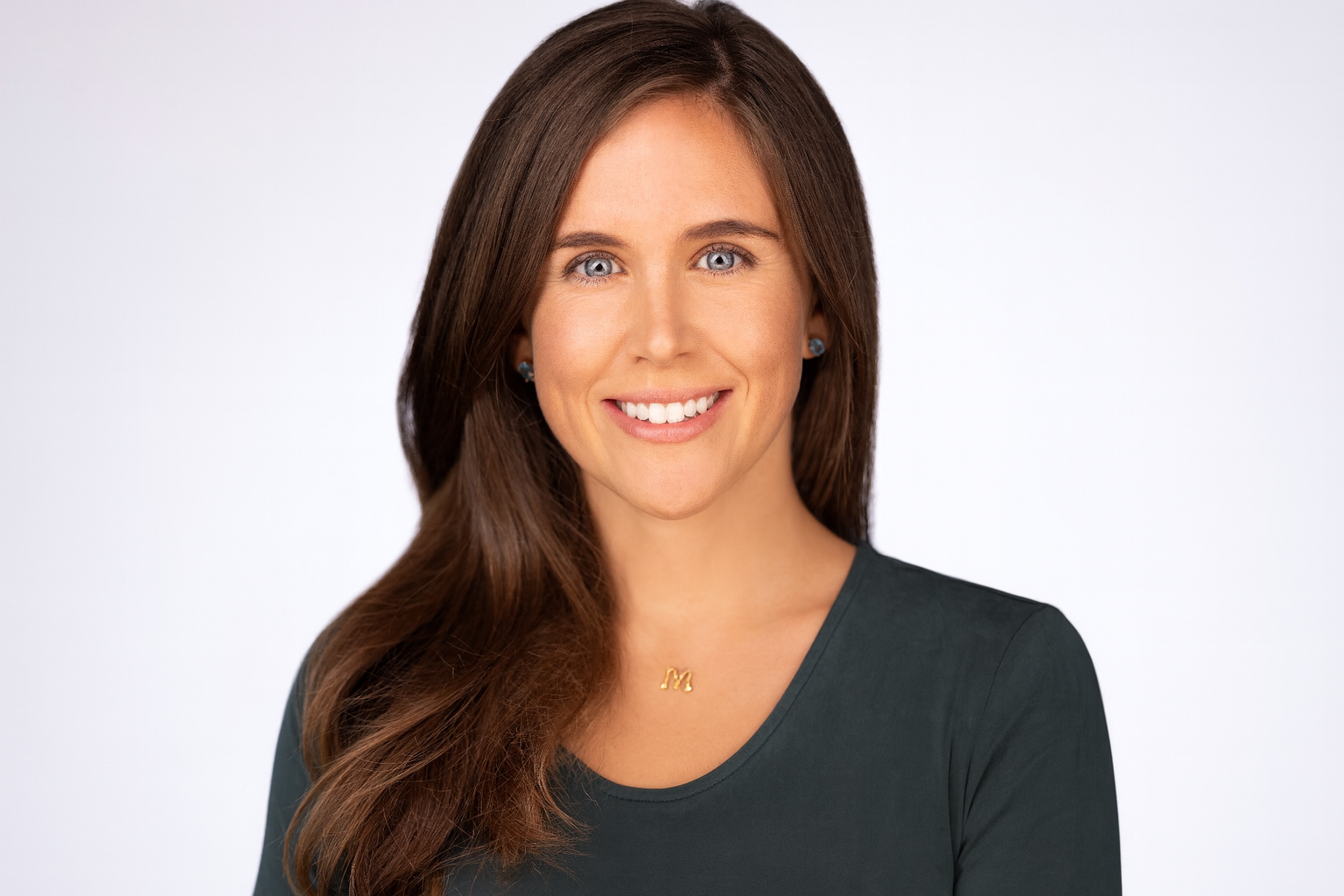
Dr Kate Kelly Middleton, CCSTP Post Doc
We are delighted to introduce Dr Kate Kelly Middleton who will be joining the Centre for Catholic Studies in the Department of Religion and Theology in Durham in 2026 as a post-doctoral researcher, working collaboratively with members of CCSTP as part of her public engagement work.
Kate tells us about her background, research interests and what she’s looking forward to in this new role.
What have you been working on most recently?
My most recent research has been on the role of hope and fear, in relationship to one another. It’s a comparative theology, coming from a Catholic and a Muslim perspective, which takes a lot from the work of Pope Francis and from Imam al-Tayyib.
Fratelli Tutti and the Human Fraternity Document fear is described as pervasive, but hidden, conditioning our way of being in the world. I wanted to bring fear into the light by interviewing and surveying self-identifying Catholics and Muslims. My research aimed to discover what they do when they experience fear, how they move from fear to hope, and what our traditions offer to help navigate the realities of fear in our world.
What struck you most about what you discovered?
One of the main findings was that fear is real and is part of the human experience. This can be a big shift for some Catholic thinking, which often focuses more on hope and despair, rather than fear, as opposites of each other.
However, if you read both Aquinas and Al-Ghazali, you see that hope and fear are actually paired together and are in relationship to one another.
So, how do we respond when we experience fear? That's really what makes something virtuous or not. There were three patterns that came forward from practitioners: they reach out to God; they reach out to trusted people in their lives, and they reach to resources from their tradition. These practices lead towards hope.
By contrast, fear that could lead towards despair is a closing in on the self. But I saw that experiencing fear could also prompt a reaching out for help and a realisation from people that they can’t face their fears alone. Starting with practitioners meant I could learn from the faith as it was being lived.
I love talking with and listening to people. There is wisdom that exists in practical theology, and I find a lot of joy in trying to bring that forward into more formal theology.
Before your studies, you served in the military, how did that experience shape your next steps?
I served in the US Navy for five years. I think that's where I got a lot of my background in virtue formation. While I was there, I had the opportunity to work with chaplains organizing an international conference, bringing military chaplains together to discuss their role in humanitarian assistance and disaster relief.
I saw the power of these trusted individuals, which meant that people from different backgrounds sought them out. Just having a religious symbol on their uniform helped build connection with local communities during disaster relief.
I also worked as the Director of Faith Formation at Carmel Mission Basilicarg/, and then in a local parish in Washington DC, and I undertook chaplaincy training at Georgetown Hospital on an interfaith program with Jesuits. Here, I learned a wonderful amount about how chaplains walk with people in their most vulnerable moments.
It was a shift from how, in the Navy, the focus is on accomplishing things, to realising that chaplaincy work is not about fixing a situation, it’s accompanying people through it. That was very powerful for me.
While I was finishing my dissertation, I taught undergraduates and served as the Director of Mission and Culture for the school which my kids go to. In the military, family and professional lives felt very separate, but now they are more enmeshed with each other, which is helpful for me.
What will you be working on over the next three years?
I will be digging into the connection between dignity and difference within Catholic social teaching. Drawing on lessons from interreligious dialogue and apophatic theology, I will be looking at what we mean when we talk about Imago Dei. When we see the image of God in another person, this is not just about finding similarities, we are also supposed to seek out difference. To learn about God as ultimate difference, we have to learn about each other.
I’ll be interviewing Religious of the Sacred Heart of Jesus (RSCJ) to discover more about how their practice and their deep spiritual encounter with the Sacred Heart – their practice of encounter with mystery – shapes them to go out into the world and engage the diversity of the unknown in the ways that they do.
I will be speaking both with novices, who are early on their religious journey and in formation, as well as those who are nearer the end of that journey, including those in retirement communities, to bring forward the patterns that emerge.
Another area of my research, which is still evolving and developing, is likely to be around AI, the newest difference which we are increasingly engaging with.
What are you looking forward to about this new role?
I’m looking forward to getting to know the CCSTP networks, walking with people and giving a theological perspective to the real-world problems that different institutions are trying to meaningfully and carefully respond to.
On a personal level, I've lived in Europe before, but not in the UK, so, as a family, we're very excited about moving here. We've got an atlas, and our kids are marking all the areas where they want to visit. It's going to be quite the adventure.